Gear for Trails, Summits and Lava Fields
Hawaii’s trails range from paved paths to muddy ridgelines, and its volcano parks combine heat, cold, wind and rain in one day. A few well-chosen items make the difference between a good hike and a miserable one.
Footwear
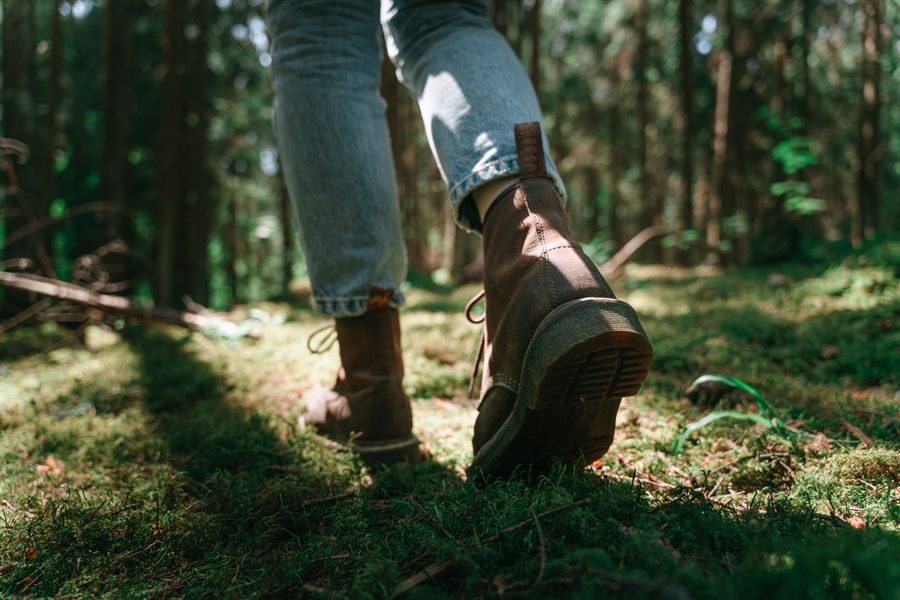
Trail shoes or light boots with grip. Mud and wet rock are common on windward and mountain trails; lava is sharp and uneven.
Rain shell
Light, packable and genuinely waterproof. Showers arrive fast on windward slopes.
Warm layer
A fleece or light down jacket for summits and early starts. The coast may be warm while the mountain is near freezing.
Water and food
More water than you think, and snacks. Many trailheads have no shops.
Headlamp
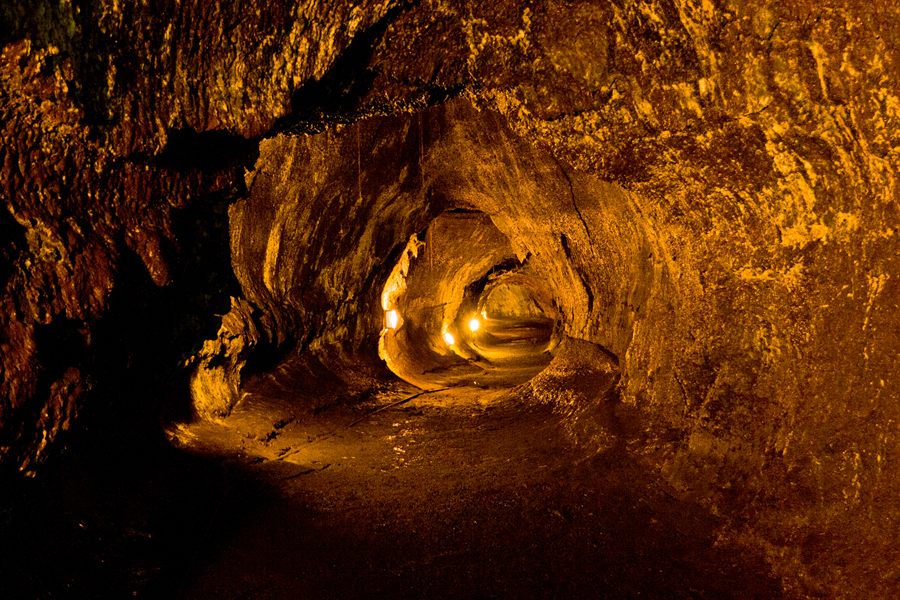
For sunrise trips, lava tubes and any hike that runs late. Darkness falls quickly in the tropics.
Sun and bugs
Hat, sunglasses, mineral sunscreen and insect repellent for damp forest trails.
Volcano Visits
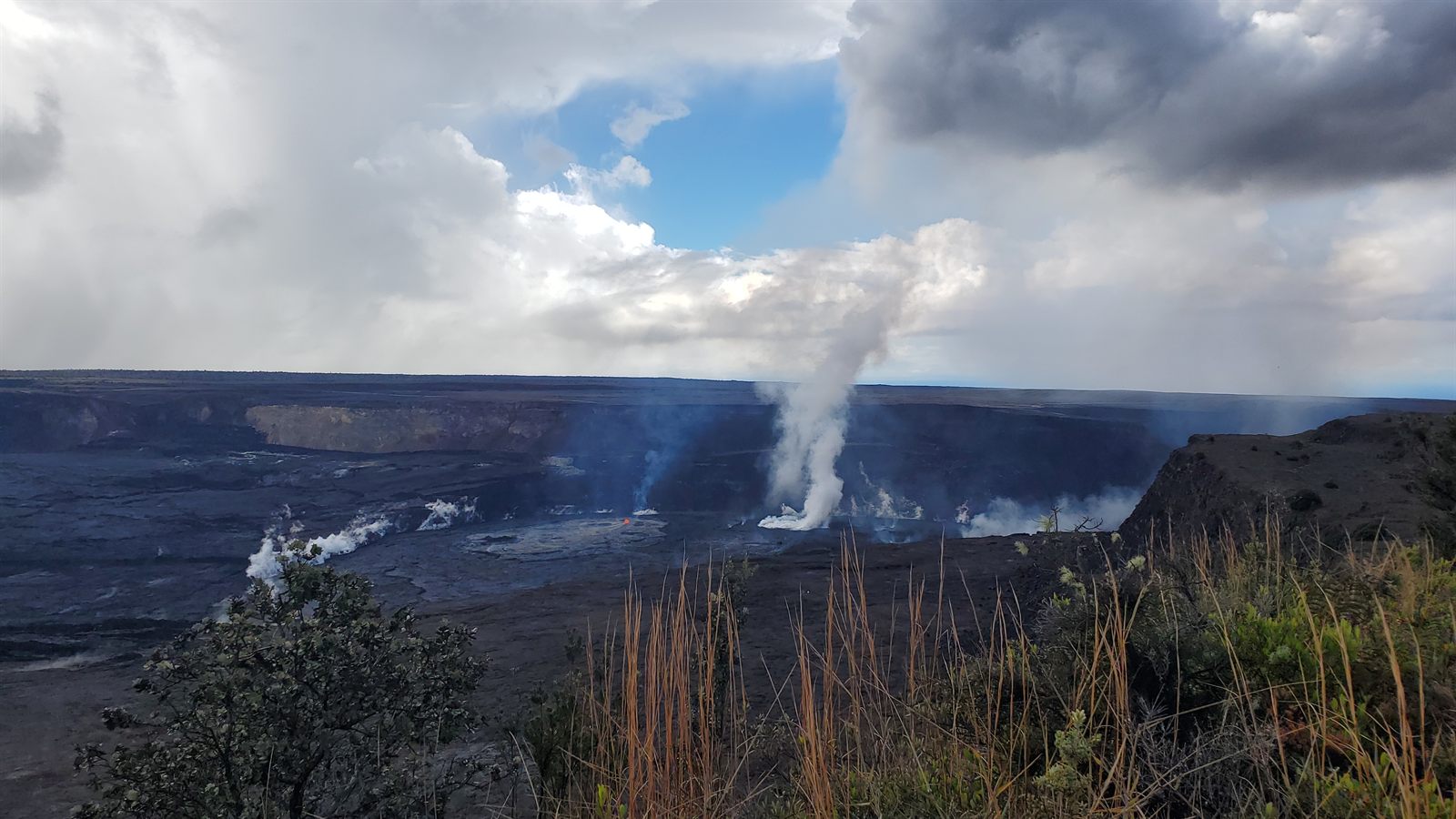
At Hawaii Volcanoes National Park on Hawaii Island, the summit of Kilauea is high enough to be cool and often misty. Eruptions, closures and air quality change, so check the park’s current conditions on the day. Volcanic gases and vog can bother people with heart or breathing conditions, so pack any inhaler or medicine you use and follow posted warnings.
At Haleakala National Park on Maui, the summit area is about 10,000 feet above sea level. Sunrise viewing requires a reservation, and temperatures at dawn can be near or below freezing with strong wind; pack gloves, a hat and a real jacket. The altitude can affect anyone, so go slowly and drink water.
Trail Safety Essentials
- Stay on marked trails and respect closures; some areas are closed for safety, recovery or cultural reasons.
- Do not cross streams in rising water. Flash floods happen in Hawaii, sometimes from rain you cannot see upstream.
- Start early, tell someone your plan and turn back in time to finish before dark.
- Carry a charged phone, but do not count on signal in valleys.
- Clean mud and seeds off your shoes between trails and islands to avoid spreading invasive plants and fungi.
Many state parks and trailheads now need advance reservations and charge non-residents entry and parking fees, and some Kauai parks remain closed after Hurricane Lowell; check Hawaii State Parks before you set out. For trails and sights on each island, see Maui Planner, Best of Hawaii Island and Best of Kauai.
Frequently Asked Questions
What shoes do I need for hiking in Hawaii?
Closed-toe hiking shoes or trail runners with good grip. Many trails are muddy and slippery after rain, and lava rock is sharp enough to cut sandals and skin.
What should I wear to Hawaii Volcanoes National Park?
Layers. The summit area of Kilauea sits at about 4,000 feet and is often cool, damp and windy, while the coast below can be hot. Bring a rain jacket, a warm top, sturdy shoes, water and sun protection.
Plan a Hiking Trip to Hawaii
Tell us the trails or parks you want to see. A specialist will plan the right bases and send free quotes.
Get Free Trip Quotes